Sustainable Residential Architecture: Designing Homes for the Future
Sustainable residential architecture is no longer just a design trend. For many homeowners, developers and families, it has become an important part of creating a home that is comfortable, efficient, responsible and ready for the future.
A well-designed home should not only look beautiful, but also work intelligently. It should make the most of natural light, reduce unnecessary energy use, respond to its surroundings and support the way people live day to day. This is where sustainable residential design plays such an important role.
At Graham Anthony Associates, residential architecture is approached with careful consideration for the site, the client’s needs, the character of the surrounding area and the long-term performance of the building.
What Is Sustainable Residential Architecture?
Sustainable residential architecture focuses on designing homes that reduce environmental impact while improving comfort, efficiency and quality of life.
This can include the way a property is positioned on a site, the materials used, the amount of natural light brought into the building, the efficiency of heating and ventilation, and how the home performs throughout the year.
Sustainability does not mean every home has to look ultra-modern or experimental. A sustainable home can be traditional, contemporary, rural or urban. The key is making intelligent design decisions that improve how the property functions both now and in the years ahead.
Why Sustainable Design Matters for Homeowners
For homeowners, sustainable residential design can offer several long-term benefits. A home that is designed carefully from the start can be more comfortable to live in, easier to maintain and more efficient to run.
Good design can help reduce heat loss, avoid overheating in summer, improve natural ventilation and make better use of daylight. These features can make a real difference to everyday living.
Sustainable architecture can also add long-term value. As energy efficiency and environmental performance become more important to buyers, homes with thoughtful, future-ready design may become more attractive in the property market.
Making the Most of Natural Light
One of the most effective ways to improve a home is through natural light. A well-designed property should consider where the sun rises and sets, how light enters the building and how rooms are used at different times of day.
Large areas of glazing can be effective, but they must be designed carefully. Too much glass in the wrong location can lead to overheating or poor thermal performance. Sustainable residential architecture is about finding the right balance between light, warmth, privacy and practicality.
Rooflights, open-plan layouts, carefully positioned windows and glazed extensions can all help create bright and welcoming spaces without compromising comfort.
Improving Energy Efficiency Through Design
Energy efficiency should be considered from the earliest stages of a residential project. This includes insulation, orientation, airtightness, heating systems, ventilation and materials.
A sustainable home design may include:
- High levels of insulation
- Efficient glazing
- Improved airtightness
- Natural ventilation
- Renewable energy options
- Efficient heating and hot water systems
- Materials with strong durability and performance
When these elements are considered together, the result is a home that performs better as a complete building rather than relying on individual features alone.
Choosing Materials Carefully
The materials used in a residential project can have a significant impact on sustainability. Durable, appropriate and locally sensitive materials can help reduce waste and improve the lifespan of a building.
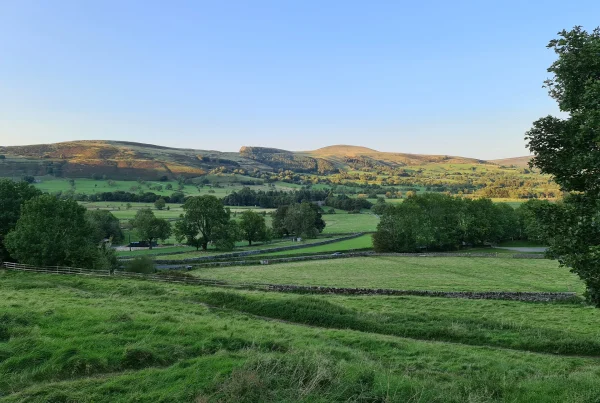
In rural areas of Lancashire, the Ribble Valley and surrounding locations, material choice is especially important. New homes, extensions and conversions often need to sit comfortably within existing landscapes, villages or conservation settings.
Sustainable design is not only about environmental performance. It is also about creating buildings that belong to their setting and remain attractive for many years.
Sustainable Extensions and Renovations
Sustainable residential architecture is not limited to new-build homes. Many homeowners want to improve existing properties through extensions, alterations or renovations.
A well-designed extension can improve the way a home works without needing to move. It can create more space, improve natural light, connect living areas to the garden and upgrade the overall performance of the property.
Renovations also offer an opportunity to improve insulation, replace inefficient layouts and modernise older homes while retaining their character.
Designing for the Local Area
Every site is different. A sustainable home in a village, rural setting or conservation area requires a different approach to a property in a more urban location.
Good residential architecture considers the surroundings, neighbouring properties, access, views, privacy, materials and planning context. This is particularly important in areas such as Preston, Longridge, Clitheroe, Lancaster and the Ribble Valley, where local character and landscape can play a major role in the design process.
Future-Proofing Your Home
A sustainable home should be designed not only for today, but also for the future. Families change, lifestyles evolve and energy standards continue to develop.
Future-proofing may include flexible living spaces, accessible layouts, provision for home working, efficient heating options, electric vehicle charging or the ability to adapt rooms over time.
By thinking ahead, homeowners can create properties that remain practical and comfortable for many years.
Working With an Architect on a Sustainable Residential Project
An architect can help bring together the many different elements involved in sustainable residential design. This includes the visual appearance of the property, planning considerations, technical performance, layout, materials and buildability.
The earlier an architect is involved, the more opportunity there is to shape the project properly. Good decisions made at the start can prevent costly compromises later.
Conclusion
Sustainable residential architecture is about more than adding eco-friendly features to a building. It is about designing homes that are comfortable, efficient, attractive and appropriate for their setting.
Whether you are planning a new home, extension, renovation or rural property project, sustainable design can help you make better use of space, improve energy performance and create a home that is built for the future.
If you are considering a residential architecture project in Lancashire, Preston, Clitheroe, Longridge, Lancaster or the Ribble Valley, Graham Anthony Associates can help guide your project from early ideas through to considered design.
FAQs
What is sustainable residential architecture?
Sustainable residential architecture is the design of homes that aim to reduce environmental impact while improving comfort, efficiency and long-term performance.
Can an existing home be made more sustainable?
Yes. Existing homes can often be improved through better insulation, more efficient layouts, improved glazing, natural light, ventilation and carefully designed extensions or renovations.
Does sustainable architecture have to look modern?
No. Sustainable homes can be traditional, contemporary or rural in style. The design approach should suit the property, the client and the surrounding area.
Is sustainable residential design more expensive?
Not always. Some sustainable design decisions are about better planning rather than expensive technology. Early design choices can also help reduce long-term running costs.