Planning Reform Means Design-Led Applications Matter More Than Ever
Planning has always been one of the most important stages in any architectural project, but current changes in national planning policy are making the quality of an application even more important. For homeowners, landowners, developers and commercial operators across Lancashire and the Ribble Valley, a successful proposal now needs to do more than show what will be built. It needs to explain why the design is appropriate, how the scheme responds to its setting and how it can meet wider planning expectations.
This is where a design-led architectural approach becomes valuable. A good scheme should not be treated as a set of drawings produced only to satisfy a formality. It should tell a clear planning story from the outset, bringing together site context, access, scale, layout, materials, landscape, biodiversity, heritage, sustainability and local character.
Planning policy is putting more pressure on quality and evidence
The National Planning Policy Framework remains a central reference point for how planning decisions are made in England. At the same time, requirements such as Biodiversity Net Gain are making site design more detailed and more evidence-led. Developments may need to demonstrate how habitats will be left in a measurably better condition, how new landscaping will be maintained and how design choices respond to the wider environment.
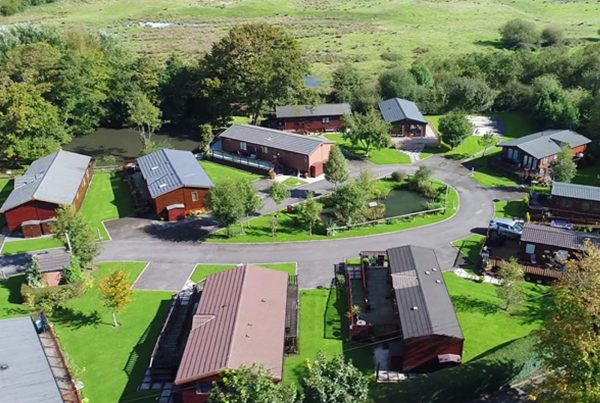
For projects in rural or sensitive settings, this can be especially important. A house extension in the Ribble Valley, a barn conversion, a commercial development or a leisure project close to open countryside will often be judged on how carefully it sits within its surroundings. Standardised or purely functional design can make planning more difficult, while a considered approach can help decision-makers understand the benefits of the proposal.
Why early architectural input matters
One of the biggest mistakes applicants make is treating design and planning as separate tasks. In reality, they should work together. Early architectural input can identify issues before they become costly delays: overlooking, access, parking, massing, flood risk, ecological sensitivity, heritage impact, materials, sustainability and visual impact.
A planning-focused architect can also help shape the project around the strongest route forward. That might mean adjusting the scale of a proposal, repositioning a building on the site, improving the relationship between old and new structures, or developing a landscape strategy that strengthens the planning case.
Design-led does not mean overcomplicated
Design-led architecture is not about making every project expensive or overly complicated. It is about making sure the design has a reason behind it. A well-considered proposal can be simple, practical and buildable while still offering a strong response to the site. This matters whether the project is a bespoke home, a rural extension, a small commercial building, a barn conversion or a wider master planning exercise.
For applicants, the benefit is clarity. Drawings, supporting statements and visual material can work together to show how the proposal has evolved. This gives the local planning authority a clearer picture of what is being proposed and why it is suitable.
What should applicants be thinking about now?
- Does the proposal respond to the site rather than simply occupy it?
- Can the design explain its scale, massing and material choices clearly?
- Are biodiversity, landscape and drainage being considered early enough?
- Could pre-application advice help identify likely concerns?
- Is there a clear planning narrative that supports the drawings?
- Will the finished building be practical, buildable and appropriate for its setting?
A practical next step
Graham Anthony Associates combines chartered planning and architecture, giving clients support from the first idea through to planning, detailed design and completion. For projects in Preston, Garstang, Longridge, Clitheroe, Lancaster and the wider Ribble Valley, early professional advice can help turn a promising idea into a stronger, more realistic planning application.
If you are considering a new home, extension, rural development, barn conversion or commercial project, speak to Graham Anthony Associates before the design is fixed. The earlier the planning strategy is considered, the stronger the application is likely to be.
GOV.UK – National Planning Policy Framework
GOV.UK – Understanding Biodiversity Net Gain
Read more
Services
Architect in Ribble Valley
Bespoke Architect Preston
Barn Conversion Architect Ribble Valley
Contact