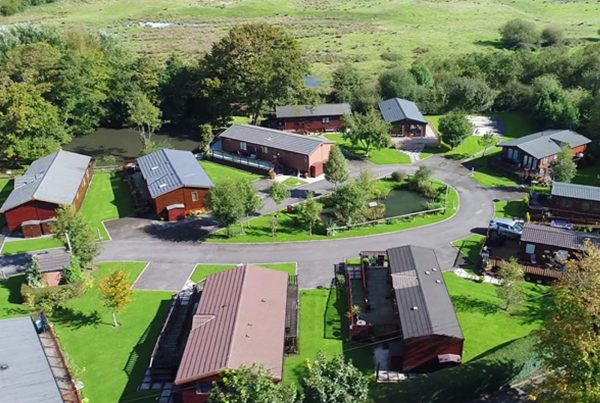
Holiday park design is more than placing units on a plan
A successful holiday park or caravan park needs to work on several levels at once. It must offer an enjoyable guest experience, operate efficiently for the business, respond to the landscape and satisfy planning requirements. A layout that looks profitable on paper can quickly become problematic if it overlooks access, drainage, views, privacy, topography, servicing or local character.
This is why specialist architectural and masterplanning input is so valuable. A holiday park architect can help operators think beyond unit numbers and create a development that has a clear sense of place, strong commercial logic and a better chance of moving through planning with confidence.
Start with the landscape
Many leisure sites benefit from attractive rural, coastal or countryside settings. These locations are often part of the commercial appeal, but they can also create planning sensitivity. The best designs work with the landscape rather than fighting against it. Existing trees, hedgerows, levels, water features, views and access routes should inform the masterplan from the start.
In practical terms, this may mean orientating lodges to protect privacy, using planting to soften views from surrounding roads, retaining natural features, creating lower-impact routes through the site or placing facilities where they support the visitor journey without dominating the landscape.
Guest experience and commercial performance
The guest experience begins long before someone enters their accommodation. Arrival, signage, parking, reception, lighting, footpaths, views, communal areas and the relationship between units all affect how the site feels. Good design can create privacy, calm and a sense of quality without making the operator’s job harder.
For owners and developers, layout decisions also affect commercial performance. The right masterplan can improve occupancy appeal, support premium pitches, future expansion, phased delivery and operational efficiency. Poorly planned layouts can create servicing issues, wasted land, poor guest circulation and expensive retrofitting later.
Planning considerations for leisure sites
Planning requirements will depend on the nature of the site and proposal. A new holiday park, an expansion, a change in use, new lodges, amenity buildings, roads, landscaping or operational changes may all need careful planning consideration. GOV.UK guidance explains that planning permission can be required for development including building operations, material changes of use and engineering operations.
Caravan sites may also need to consider licensing requirements as well as planning permission. The planning route and supporting information should be reviewed early so that the design, operational case and technical details are aligned.
Facilities that support the whole site
The strongest leisure developments often include more than accommodation. Reception buildings, cafes, shops, wellness facilities, shower blocks, play areas, maintenance zones and staff areas all need to be positioned carefully. These uses should support the overall experience while also allowing the site to operate smoothly behind the scenes.
Architecture plays an important role here. A well-designed amenity building can become a memorable focal point, while a poorly placed one can create congestion or detract from the setting. Materials, scale and detailing should feel appropriate to the surrounding area and the brand of the park.
Designing for future flexibility
Leisure trends change. Operators may need to introduce new accommodation types, upgrade facilities, improve sustainability or respond to visitor expectations over time. A good masterplan should allow for phased development and future adaptation where possible.
This might include reserving areas for future facilities, creating logical infrastructure routes, designing flexible communal spaces or considering how landscaping will mature. The aim is to avoid a short-term layout that restricts long-term value.
How Graham Anthony Associates can help
Graham Anthony Associates has experience across caravan parks, leisure developments, residential schemes and sensitive rural sites. The team can support operators, landowners and developers with feasibility, site layout, architectural design, planning submissions and long-term development strategies.
If you are considering a new holiday park, caravan park expansion or leisure development in Lancashire, Preston, Lancaster, Garstang, the Ribble Valley or further afield, early design advice can help unlock the full potential of the site.
FAQs
Do holiday parks need planning permission?
Many holiday park projects will require planning permission, especially where there is a material change of use, new buildings, engineering works or expansion of the site.
What does a holiday park architect do?
A holiday park architect can help with feasibility, site layout, guest experience, building design, planning strategy, phasing and coordination with technical consultants.
Can an existing caravan park be expanded?
Potentially, but the feasibility depends on planning policy, access, landscape impact, drainage, ecology, existing permissions and site licence considerations.
Why is masterplanning important for leisure sites?
Masterplanning helps ensure the site works commercially, operationally and visually, while also allowing for future growth and phased development.
Related articles:
- Caravan Parks & Leisure – https://grahamanthonyassociates.com/caravan-parks-leisure/
- Holiday Park Architect Preston – https://grahamanthonyassociates.com/holiday-park-architect-preston/
- Caravan Park Architect Preston – https://grahamanthonyassociates.com/caravan-park-architect-preston/
- Contact Graham Anthony Associates – https://grahamanthonyassociates.com/contact/