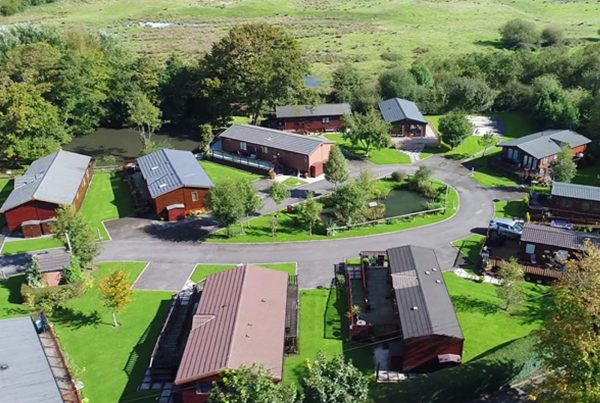
Why planning strategy matters before drawings begin
For many homeowners and landowners, planning permission is the stage that causes the most uncertainty. A project may feel straightforward on paper, but once local character, access, neighbouring properties, landscape impact, drainage, heritage setting or countryside policy are considered, the proposal can quickly become more complex. This is particularly true across the Ribble Valley, where rural sites, conservation areas, traditional stone buildings and open countryside settings often need a more sensitive design response.
An experienced architect can help turn an early idea into a stronger planning proposal by considering design quality, planning policy and buildability together. Rather than simply producing drawings, the right architectural approach asks whether the scale, layout, materials and relationship to the surrounding site are likely to make sense to both the client and the planning authority.
Understanding whether permission is needed
Some domestic works may fall under permitted development rights, but this should never be assumed. GOV.UK guidance explains that some development can be permitted nationally without a planning application, but other permissions and consents may still apply. A certificate of lawful development can also be used where formal confirmation is required. In rural areas, conservation areas, listed building settings or locations with planning conditions, permitted development rights may be limited or removed.
This is where early advice can save time. Before committing to a full design, an architect can review the site, the planning history and any constraints that may influence what is realistic. This helps avoid investing in a scheme that later needs major redesign because of avoidable planning issues.
What makes a stronger planning application?
A successful planning application is not just about attractive drawings. It needs to clearly explain why the proposal is appropriate for its setting. In the Ribble Valley, this often means showing how a project responds to landscape character, local materials, scale, privacy, access, parking, ecology, drainage and the wider street scene or rural context.
For a house extension, this may involve demonstrating that the addition is subservient to the existing property and does not dominate neighbouring homes. For a replacement dwelling, the design may need to justify its form, massing and materials in relation to the site. For a rural conversion, the focus may be on retaining agricultural character while creating a viable modern home.
The value of design narrative
Planning officers need to understand the reasoning behind a proposal. A clear design narrative can explain why a building is positioned in a certain way, why particular materials have been selected, how views are managed and how the development respects the surrounding area. This does not guarantee approval, but it can make an application easier to assess and harder to dismiss as poorly considered.
This is especially important for bespoke homes, rural plots and sensitive residential projects. A generic design may struggle where the context demands a tailored response. A well-prepared application can show that the project has been shaped by the site rather than imposed upon it.
When pre-application advice may help
For more complex schemes, pre-application advice can be useful. It gives the applicant an opportunity to receive early feedback from the local planning authority before submitting a full application. While it is not a decision, it can help identify likely concerns and improve the final submission.
An architect can help prepare the right information for pre-application discussions, including sketch layouts, design principles and supporting context. This can be particularly helpful where a site has a previous refusal, a sensitive location or a more ambitious design brief.
How Graham Anthony Associates can help
Graham Anthony Associates works with residential, rural and development clients to shape projects from early design through to planning submission and beyond. The practice has experience across bespoke homes, barn conversions, house extensions, conservation-led schemes and developments in sensitive locations.
For clients in the Ribble Valley, Preston, Longridge, Clitheroe and surrounding areas, architectural input can help establish what is possible, what may need justification and how to present the proposal in the strongest way.
Planning a project in the Ribble Valley?
If you are considering a new home, extension, conversion or rural development, early architectural advice can help you move forward with more confidence. Graham Anthony Associates can review your ideas, assess planning considerations and create a design strategy that gives your project the best possible foundation.
FAQs
Do I always need planning permission in the Ribble Valley?
Not always. Some work may fall under permitted development rights, but rural locations, conservation areas, listed buildings, planning conditions and previous extensions can affect this. It is best to check before starting work.
Can an architect improve my chance of planning approval?
An architect cannot guarantee approval, but they can improve the quality of the submission by creating a design that responds to the site, planning constraints and local character.
Is pre-application advice worth it?
Pre-application advice can be useful for complex or sensitive projects because it allows early feedback before a full application is submitted.
What should I prepare before speaking to an architect?
It helps to have the site address, photographs, any previous planning history, your aims for the project and an idea of your budget or timescale.
Other articles in relationto this topic:
- Architect in Ribble Valley – https://grahamanthonyassociates.com/architect-in-ribble-valley/
- Bespoke Residential – https://grahamanthonyassociates.com/residential/
- Barn Conversion Architect Ribble Valley – https://grahamanthonyassociates.com/barn-conversion-architect-ribble-valley/
- Contact Graham Anthony Associates – https://grahamanthonyassociates.com/contact/