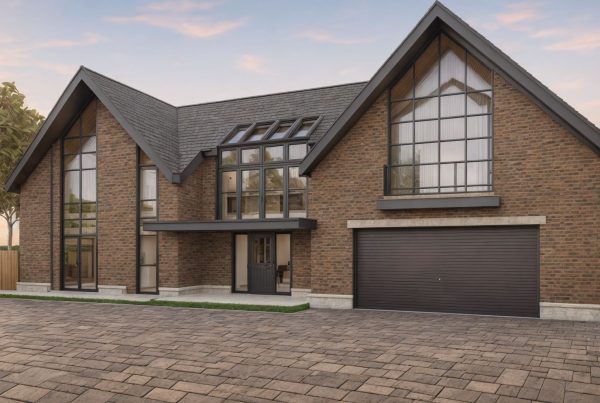
The Ribble Valley is known for its attractive villages, rural landscapes, traditional buildings and historic character. For property owners, this creates both opportunity and responsibility.
Older buildings, listed properties, barns and homes in sensitive settings often require a careful architectural approach. The aim is not simply to preserve a building exactly as it is, but to understand what makes it special and find the right way to adapt it for modern use.
This is where working with a conservation architect can be extremely valuable.
What Is a Conservation Architect?
A conservation architect works with historic, traditional or sensitive buildings where character, heritage and context need to be carefully considered.
This can include listed buildings, buildings in conservation areas, rural properties, barn conversions, heritage renovations and alterations to older homes.
The role of a conservation architect is to balance change with respect for the existing building. This means understanding the property’s materials, proportions, features, setting and history before developing a design response.
Why Conservation Architecture Matters in the Ribble Valley
The Ribble Valley has a distinctive architectural character. Stone buildings, rural farmsteads, traditional cottages, historic village streets and countryside settings all contribute to the identity of the area.
When changes are made without care, the character of a building can be weakened. Poorly designed extensions, unsuitable materials or inappropriate alterations can affect both the property and the surrounding environment.
A considered conservation approach helps ensure that buildings remain useful while protecting the qualities that make them valuable.
Listed Building Projects
Listed buildings require particular care because they are recognised for their special architectural or historic interest.
Alterations to listed buildings often need consent, and proposals are usually expected to show a clear understanding of the building’s significance.
This does not mean listed buildings cannot be changed. Many listed properties can be adapted successfully, but the design needs to be sensitive, well justified and carefully detailed.
A listed building architect can help identify what features should be protected, where change may be possible and how new work can sit alongside the historic fabric.
Conservation Areas
Some properties may not be listed individually but may still sit within a conservation area. In these locations, the wider character of the area is important.
Design proposals may need to consider the appearance of the street, neighbouring buildings, rooflines, materials, boundary treatments and the overall contribution the property makes to the area.
A conservation architect can help develop proposals that respect this setting while still improving the home or building for modern use.
Barn Conversions and Rural Buildings
Barn conversions are a common type of project across rural Lancashire and the Ribble Valley. These buildings often have strong visual character, but converting them into comfortable living spaces requires careful design.
Key considerations may include existing openings, roof structure, stonework, internal volume, access, insulation, natural light and the relationship with the surrounding landscape.
A successful barn conversion should not feel like a standard house placed inside an old shell. It should retain the qualities of the original building while becoming practical, warm and enjoyable to live in.
Choosing the Right Materials
Material choice is central to conservation architecture. Traditional buildings often rely on materials that behave differently from modern construction products.
Stone, slate, lime mortar, timber and traditional roof forms may all need careful consideration. Using inappropriate materials can sometimes cause long-term problems, both visually and technically.
A conservation-led design approach helps ensure that new materials are suitable for the building and its setting.
Designing Extensions to Older Buildings
Extending an older or historic property requires sensitivity. The extension should provide the space the client needs, but it should not overpower or confuse the original building.
There are different ways to approach this. In some cases, a traditional design may be appropriate. In others, a clearly contemporary extension can work well if it is carefully proportioned and detailed.
The best solution depends on the building, the site and the planning context.
Improving Energy Performance in Historic Buildings
Many older buildings were not designed with modern energy standards in mind. However, improving performance must be handled carefully.
For example, adding insulation, replacing windows or changing ventilation can affect how a traditional building manages moisture. A sensitive approach is needed to improve comfort without damaging the building fabric.
A conservation architect can help explore practical options that improve energy performance while respecting the property’s construction and character.
Planning and Listed Building Consent
Planning applications for heritage or conservation projects often need more detail than standard residential alterations. The proposal may need to explain the existing building, the impact of the work and why the design approach is suitable.
This is where clear architectural drawings and well-considered design information are important.
A strong proposal should show that the building has been understood and that the changes are appropriate, proportionate and carefully designed.
Creating Homes That Work for Modern Living
Conservation architecture is not about freezing buildings in time. Historic and traditional properties need to remain useful if they are to be properly cared for.
Many clients want to improve layouts, add bathrooms, create open-plan living spaces, improve access, introduce more natural light or adapt buildings for family life.
The challenge is to make these changes in a way that feels respectful and well integrated.
Working With Graham Anthony Associates
Graham Anthony Associates have experience working with a range of architectural projects across Lancashire and the wider North West, including residential, rural, listed building and conservation-related work.
For clients in the Ribble Valley, Clitheroe, Longridge and surrounding areas, the practice can help develop sensitive design solutions that consider both the building and its setting.
Whether you are looking at a listed property, a barn conversion, a rural home or a building in a conservation area, early architectural advice can help you understand the opportunities and constraints before moving forward.
Conclusion
Conservation architecture is about finding the right balance between protection and progress. In areas such as the Ribble Valley, where historic character and rural landscapes are so important, this balance is especially valuable.
With careful design, older buildings can be adapted, improved and enjoyed for many years to come.
If you are planning work to a listed building, conservation area property, barn conversion or traditional home in the Ribble Valley, Graham Anthony Associates can help you explore the best approach for your project.
FAQs
What does a conservation architect do?
A conservation architect helps design changes to historic, traditional or sensitive buildings while protecting their character, materials and architectural significance.
Do I need listed building consent?
If your property is listed, many types of alteration may require listed building consent. It is important to seek advice before starting work or making changes.
Can listed buildings be extended?
Yes, listed buildings can sometimes be extended, but the design must be carefully considered and should respect the character, scale and significance of the original building.
Can a barn conversion be modern inside?
Yes. A barn conversion can include modern living spaces, but the design should still respect the character, structure and appearance of the original building.
Why is material choice important in conservation projects?
Traditional buildings often rely on specific materials and construction methods. Choosing suitable materials helps protect the appearance, performance and long-term condition of the building.